Raw Kale Chips Class~ Jan. 29th @ 7 pm

I'm so EXCITED to teach how to make raw kale chips! Please pass this info along if you know others who might be interested.....:)  
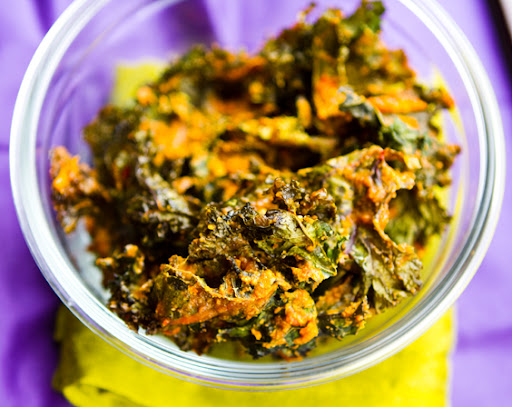
 
Come Learn How to Make DELICIOUS Raw Kale Chips

Information for the class below!

When: Tuesday, Jan. 29th
Where: Pleasant Grove, Utah
Time: 7 pm
Cost: $10

PLEASE RSVP if you are interested in attending.  I usually make copies for my classes and want to make sure I have enough to hand out! You can email me at rachel@livingmom.net.  :)

In this class you will learn:
  • How to make 2 different flavors of kale chips- MY cheesy kale chips (of course) & a SURPRISE flavor!
  • The benefits of raw foods and why more raw foods creates increased health and happiness in your LIFE!
  • Find out why kale is one of the BEST foods for you!
  • Learn the health benefits of ALL the other ingredients put into the kale chips 
  • Understand more about how your body responds to the AMAZING health benefits of kale chips
  • See the ease of making kale chips and learn how to incorporate them into your life
  • Of course.....you will be tasting and trying each of the kale chips
  • Lastly, I will have extras to SELL at the end of the class
Please come with ANY questions!  Below is my bio for those who may not know me.  I have been in the nutritional/herbal world for 14 years now and am always EXCITED to help others on their path to health and wholeness.

In Peace,
Rachel

*I am a homebirth midwife, an herbal practitioner, a raw foods educator, emotional healing facilitator & placenta encapsulator. I have received training in many healing modalities. In 2000, I became certified as a Nutritional Herbologist and soon thereafter began teaching classes on nutrition where I taught such subjects as whole foods, raw foods, vegetarianism, veganism, cleansing, supplementation and overall physical and emotional health and well being. I also teach an INSPIRING childbirth course called "LivingMom Childbirth Education Courses." I have since spent the last 14 years researching and educating myself in many matters relating to all forms of alternative therapies. I have worked with many people to help them facilitate their own personal healing and progression. Nine years ago, I was introduced to Native American healing & spirituality . In 2007, I studied with James “Flaming Eagle” Mooney who, soon thereafter, gifted me as a water pourer and medicine women. In 2009, I spent 18 months studying with & have been gifted as a pipe carrier by Richard “He Who Has the Foundations” Swallow, Spiritual Leader of the Eagle Clan of the Lakota Sioux . I have been married to my LOVING husband for 17 years and together we have 5 BEAUTIFUL children, all born at home. I, along with my husband, still participate regularly in Native American teachings & ceremonies.*

Fatness Is Predisposed In Utero

So just another article that delves into the world of pregnancy and nutrition, my 2 LOVES!  I'm excited to think we are striving harder through more research to find out what is really taking place in the womb and what effects nutrition plays to the unborn fetus.

Of course, I can only speak from my experience, but nutrition played a huge roll in my overall conception/pregnancy/labor/birth/postpartum experience.  You can read more about my experiences in my pregnancy in my post, "FAT IS NOT WHERE ITS AT-MEDICATING OUR UNBORN BABIES FOR OBESITY."

I do feel quite passionate about health BEFORE pregnancy and consistent high nutrient dense foods during pregnancy and beyond.  As stated in the article below, your baby could be predisposed for diabetes, a disease that is actually quite simple to heal.

This quote from the article below is extremely bothersome for me.....

 "If the supply of nutrients across the placenta is inadequate or unbalanced, the unborn baby has to decide whether to prioritise fat deposition or spare brain growth -- it does this by changing the amount of blood flowing to the liver and brain. A decision to increase blood flow to the liver has lasting implications for the child's body fatness.

There is an EXCELLENT documentary called "SIMPLY RAW: REVERSING DIABETES IN 30 DAYS."  You read that right.....curing diabetes in 30 days.  It actually happens, folks.  But think about it, what if we could STOP completely your baby from ever showing signs of diabetes.  Imagine if illness, in general, could totally be thwarted for your unborn child.

Well, it just so happens that I live in a world where I believe that is a reality.  I actually believe you can CURE ANYTHING.  Dr. Christopher truly said it best...."There is no such thing as an incurable disease, only incurable people."  I wholeheartedly agree with this quote.  He is RIGHT ON.

Before pregnancy, your health is completely up to you!  During pregnancy, your health and the health of your unborn child are BOTH up to you! I think there must be some kind of disconnect in our world that pregnant women don't seem to be understanding this concept.  Please know I  make that remark not out of judgement because I have been one of those disconnected women.  But rather I say  it out of concern and fear for our future generations health and well being.

At some point, in order for our world to be a healthier and happier place, women will have to really take FULL responsibility for themselves.  They will have educate themselves on foods, herbs and nutrition in general to know what is REALLY best for you and your unborn child.

Honestly, that education takes time.  It takes planning and preparation BEFORE conception to really make that happen.  I am always in AWE of the couples who attend my LivingMom Childbirth Educational Courses BEFORE they conceive.  As I've watched them during their pregnancies, they are healthier and happier than I believe they would of been without that education and understanding.  Of course, this is all my opinion but I have closely watched these women and it makes a PHENOMENAL difference later on.  It just does.

Yet again, I'm stepping down from my soap box. I believe our bodies and the bodies of our growing infants deserves the BEST quality foods to keep it running at peak performance.  My hope is that women will go the extra mile to do their very BEST for themselves and their babies.  I believe the majority of women already do so and its merely the lack of education that prevents the ideal pregnancy/birth experience.  It just takes that first step to make a lasting change.

In Peace,
Rachel
_________________________________________________________________

Children’s Body Fatness Linked to Decisions Made in the Womb

ScienceDaily (Aug. 22, 2012) — New born human infants have the largest brains among primates, but also the highest proportion of body fat. Before birth, if the supply of nutrients from the mother through the placenta is limited or unbalanced, the developing baby faces a dilemma: should resources be allocated to brain growth, or to fat deposition for use as an energy reserve during the early months after birth?
Scientists at the University of Southampton have shown that this decision could have an effect on how fat we are as children.
In new research, published in the journal PLoS ONE on August 22, 2012), scientists at the Medical Research Council (MRC) Lifecourse Epidemiology Unit at the University, performed ultrasound scans on 381 pregnant women taking part in the Southampton Women's Survey. They measured the blood flow from the placenta to the unborn baby, and the distribution of this blood to either the liver of the baby or bypassing the liver to supply the brain and heart. This was then compared with the infant's body fatness at birth and at four years old.
The findings show that greater blood flow to the baby's liver in late pregnancy was associated with greater body fatness in the infant at birth and at age four. In contrast, lower liver blood flow and a "brain-sparing" blood flow pattern (when the blood bypasses the liver and goes to the brain) occurred when the placenta was smaller and less able to meet baby's demand for essential nutrients in the womb.
These findings were independent of an association between mother's body fatness and the body fatness of her infant.
Keith Godfrey, Professor of Epidemiology and Human Development, at the University who led the study, explains: "In our evolutionary past, the demands of a big brain have led the unborn baby to develop blood flow responses which preserve nutrient delivery to the brain when the supply of essential nutrients from the mother cannot meet the baby's requirements.
"However, having a big brain has also led to evolution of a strategy to adjust blood flow through the baby's liver, which enables the liver to produce more fat -- this acts as an energy reserve, protecting brain development during periods of illness or under-nutrition in early infancy. Our data suggests that evolution of this strategy has brought with it a predisposition to obesity and later diabetes in contemporary societies with abundant nutrition in later postnatal life."
Professors Guttorm Haugen from the University of Oslo and Torvid Kiserud from the University of Bergen were part of the research team. They comment: "An interpretation of our findings is that there could be programmed effects on the liver that arise from blood flow adaptations in the womb and predispose individuals to gain excess body fat. Although further studies are needed, our findings add weight to current concerns that the current epidemic of childhood obesity and associated disorders may partly have its origins through adaptations made by the developing baby during pregnancy."
Professor Mark Hanson, Director of the University of Southampton's Human Development and Health Academic Unit, adds: "If the supply of nutrients across the placenta is inadequate or unbalanced, the unborn baby has to decide whether to prioritise fat deposition or spare brain growth -- it does this by changing the amount of blood flowing to the liver and brain. A decision to increase blood flow to the liver has lasting implications for the child's body fatness.
"Transfer processes across the placenta for some nutrients such as glucose evolved in environments less affluent than those now prevalent in developed populations, and our findings additionally suggest that in circumstances of maternal obesity and nutrient excess these processes now also lead to excessive fat deposition in the womb."
"This strengthens the case for all women of reproductive age having greater access to nutritional, education and lifestyle support to reduce the risk of obesity in their children and improve the health of the next generation."
Professor Cyrus Cooper, Director of the MRC Lifecourse Epidemiology Unit comments: "This study is part of a wider body of work by the MRC Lifecourse Epidemiology Unit into how factors during pregnancy might have a long-term influence on childhood growth and development. This is a wonderful example of multi-disciplinary research using the unique clinical resource provided by the Southampton Women's Survey."

Boob Jobs & Longer Labors Than 50 Years Ago

I know all of you have missed me and my AMAZING blog posts.  Just kidding....:)  Well, I'm back.  I took so long off because I decided to have surgery.  Can you believe it?  Yes, healthy living....crunchy mama....ME..... decided it was time to fix a surgical hernia, have a scar revision.....AND while we're already cutting me open.....get a BOOB JOB!  You read that right....YES, I am one week out from a breast augmentation and lift.

Now, I'll be honest, I am a woman who prides herself on being tough.  Growing up, I was a phenomenal baby in almost every way.  I avoided anything that might show the remotest sign of being in any way painful at all costs.

I still remember when I told my family we decided to have a home birth.  I can still hear the constant laughter ringing in my ears.  My family actually thought I was joking at first.  They regularly commented that there was NO WAY I was going to be able to do it.  That I couldn't handle pain like that without whining and crying every step of the way.

Well, since that time I have had 5 babies at home,  3 abdominal bowel surgeries, regular bowel obstructions for 4 years straight (that in my opinion hurt just as much if not more than having a child) and the hernia repair, scar revision and boob job.....have TOPPED them all.  I came home and for the first 4 days thought...."What the HELL have I done."

Today is the ONE week mark since the surgery.  I'm priding myself today on the fact that I actually took a shower.  I even shaved my legs.  This is a BIG deal, people!  Just 3 days ago I was still wallowing in the fact that I'd made a HORRIBLE mistake and recovering from boob job surgery is literally choosing to live in hell for about 5 days.

So I guess the jury is still out.....Am I a total WIMP or is major surgery a HUMONGOUS PAIN? I'm speaking both literally and philosophically here.  :)  I am on the UP and UP!  I actually took a shower today which is a BIG feat in and of itself for me.  I do feel a little like WONDER WOMAN!  Yes, I'm learning to deeply LOVE myself even in the lies I tell myself.  LOL!!!

So, since every post has to have some WONDERFULNESS about babies and mamas and birth, I've decided to post the article below.  It is disheartening to think that labor now takes longer than it used too.

My opinion.....LEAVE moms and babies and Dads....ALONE during the birth process, labor will be shorter and quicker and LESS painful....IF even painful at all.  Its that SIMPLE!!!  Let nature and nurture do their jobs and low and behold, relaxation and serenity step in to create a birth that feels easy and blissful and usually ends up happening quite FAST!

Have a Terrific Thursday!

In Peace,
Rachel
__________________________________________________________
Babies Take Longer To Come Out Than They Did In Grandma's Day
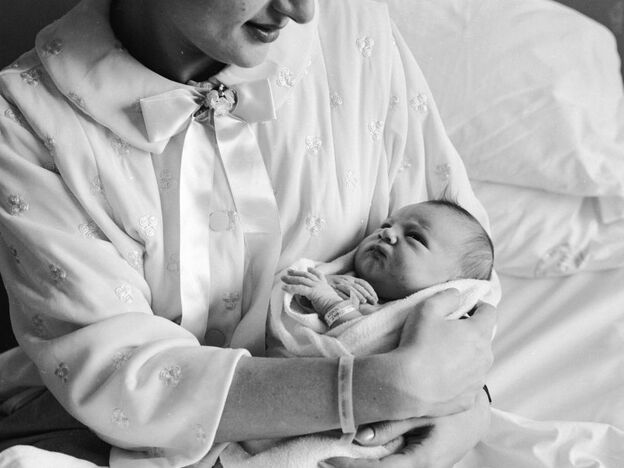
Fifty years ago, the typical first-time mother in the U.S. took about four hours to give birth. These days, women labor about 6 1/2 hours.

EnlargeCarsten/Three Lions/Getty Images

Fifty years ago, the typical first-time mother in the U.S. took about four hours to give birth. These days, women labor about 6 1/2 hours.
The typical first-time mother takes 6 1/2 hours to give birth these days. Her counterpart 50 years ago labored for barely four hours.
That's the striking conclusion of a new federal study that compared nearly 140,000 births from two time periods.
One big implication: Today's obstetricians may be rushing to do cesarean sections too soon because they're using an out-of-date yardstick for how long a "normal" labor should take.
"That's absolutely correct," says Dr. Ware Branch of Intermountain Healthcare in Salt Lake City, a study author. Lead author Dr. Katherine Laughon of the National Institute of Child Health and Human Development agrees.


The definition of a "normal" labor — the range of times when a woman in labor reaches certain milestones — was laid down in the 1950s. Contemporary obstetricians still use that "labor curve."
"The past definitions of 'normal' labor have been used to draw the line as to when it's time to intervene with a cesarean delivery," Branch said during a telephone conference with reporters. "But what we've shown is that labor is actually longer ... than it was 50 years ago. That certainly calls for a reassessment of when one should draw the line for cesarean delivery."
Last year Branch and his colleagues at Intermountain Healthcare calculated that the U.S. could save $3.5 billion by lowering the national cesarean delivery rate from 32 percent to 21 percent, which is the C-section rate in the Utah hospital system. A cesarean birth costs nearly $17,000, compared with $9,400 for a vaginal delivery.
The reasons for today's much longer labors aren't entirely clear. They may have something to do with differences in today's mothers compared with their grandmothers. For instance, first-time mothers are about four years older on average, they have higher body mass, and they're more racially diverse.
Today's babies are also bigger — for instance, first-borns are 4 ounces heavier today than the 1960s crop.
But study authors say the most important causes for longer labors are what obstetricians do, not how their patients have changed. Even after statistically adjusting for differences in maternal and newborn characteristics, modern labors are still substantially longer.
Laughon says part of the reason is a jump in the use of epidural anesthesia during labor.
"That is known to prolong labor by approximately 40 to 90 minutes," Laughon says. "Of course, it's very accepted practice to help improve pain control during labor."
Branch points out that up to 85 percent of contemporary laboring mothers get epidurals. "Once that's in place, they're in bed," he says. "In the late '50s and early '60s, how much did people get up out of bed during labor and walk around?"
Another big change is that many more women have induced labors these days. That is, they're not permitted to go into labor spontaneously. One in three women had spontaneous labor, among women giving birth between 2002 and 2008.
Women today are 19 percent more likely to get a drug called oxytocin, which increases the strength of uterine contractions. But this should shorten labors, so the study authors note that "if women were allowed to progress in natural labor without oxytocin, the stages of labor could be even longer with the same odds of achieving vaginal delivery."
Laughon and Branch acknowledge their results may be controversial among some obstetricians — those who view it as an attack on epidural anesthesia, for instance. "Some skeptics are going to say, 'Gee, you really don't know the details about these two groups 50 years apart to be able to compare them fairly,' " Branch says. "That's a legitimate criticism."
But the "plain and simple fact," they say, is that giving birth takes longer today. They say all they're suggesting is that today's routine practices "may need to be thoughtfully reconsidered."


Your Children Are Part Of You FOREVER!

I had to share this today.    It made me cry.  I love my children in EVERY way possible and this article brought up some WONDERFUL emotions.  My oldest turns 16 tomorrow.  I can't believe how quickly the time has flown.  I didn't ever realize the rush of time that would pass without my even recognizing it.

As I think back on my pregnancy, labor, birth and life thereafter with Dean, I've been saddened as he becomes a teenager and a man.  To watch your children grow up with the eventual goal of leaving your home to form their own families, is both heart breaking and exciting at the same time.

I've shed many, many tears as I watch Dean become who he REALLY is and find himself.  Though, at times, its painful and overwhelming, I know his personal growth will only aid in him delightful new ways.

While reading this article and watching the video below, I realized, yet again, that my babies will really never leave it.  That because they were created from my egg and were grown in my belly, they would be part of me forever.  Its so exhilarating to have science now prove that our children's cells are actually forever in our bodies.  Especially in our hearts.....

I LOVE the world of science and what it is now proving.  So many things we used to believe were just weird, strange ideas and philosophies, science is now proving is actually a REALITY!

When I ponder the loss I might feel in watching my children grow up, I will stay focused on the parts of themselves I gave them and they gave me.  That we will ALWAYS be connected and NEVER apart!
I hope all mothers out there will do the same.

In Peace,
Rachel
__________________________________________________


Why Babies Should Never Sleep Alone

I did just recently put a post together called "Co-Sleeping: The Facts And The Benefits."  But because I absolutely ADORE co-sleeping in EVERY way, I had to post the article below.  I wholly agree with this article and its ability to define even more acutely how co-sleeping IS safe.  Its when we don't understand how to keep it safe, that we then see problems.

Co-sleeping with my kids brought such JOY for us.  Chris and I were in AWE each time we had the opportunity to share the bed with our new little tiny one.  I do agree that there are biological process involved that make co-sleeping so enjoyable.  

I let you have at it and decide for yourself what you think.  Truthfully, the fact that I could SLEEP the WHOLE night even while breastfeeding was the deciding factor for me.  It just makes your world that much brighter....:)

In Peace,
Rachel

P.S. Below is a fun little video Chris took a few months ago trying to wake our kids up.  Our kids, because of co-sleeping, LOVE to all sleep in the same room together sometimes.  So Mabel, Millie, and Pratt made a bed on Golden's floor so they could all be in the same room.  For the longest time, all 5 of our kids slept in the same room together.  They really, really LOVE each other.  Its is WONDERFULLY adorable.  :) And yes, This is how long it takes to wake our kids up....


_______________________________________________________

Cosleeping and Biological Imperatives: Why Human Babies Do Not and Should Not Sleep Alone

Posted by dlende on December 21, 2008
mother-and-childBy James J. McKenna Ph.D.
Edmund P. Joyce C.S.C. Chair in Anthropology
Director, Mother-Baby Behavioral Sleep Laboratory
University of Notre Dame
Where a baby sleeps is not as simple as current medical discourse and recommendations against cosleeping in some western societies want it to be. And there is good reason why. I write here to explain why the pediatric recommendations on forms of cosleeping such as bedsharing will and should remain mixed. I will also address why the majority of new parents practice intermittent bedsharing despite governmental and medical warnings against it.
Definitions are important here. The term cosleeping refers to any situation in which a committed adult caregiver, usually the mother, sleeps within close enough proximity to her infant so that each, the mother and infant, can respond to each other’s sensory signals and cues. Room sharing is a form of cosleeping, always considered safe and always considered protective. But it is not the room itself that it is protective. It is what goes on between the mother (or father) and the infant that is. Medical authorities seem to forget this fact. This form of cosleeping is not controversial and is recommended by all.
Unfortunately, the terms cosleeping, bedsharing and a well-known dangerous form of cosleeping, couch or sofa cosleeping, are mostly used interchangeably by medical authorities, even though these terms need to be kept separate. It is absolutely wrong to say, for example, that “cosleeping is dangerous” when roomsharing is a form of cosleeping and this form of cosleeping (as at least three epidemiological studies show) reduce an infant’s chances of dying by one half.
Bedsharing is another form of cosleeping which can be made either safe or unsafe, but it is not intrinsically one nor the other. Couch or sofa cosleeping is, however, intrinsically dangerous as babies can and do all too easily get pushed against the back of the couch by the adult, or flipped face down in the pillows, to suffocate.
Often news stories talk about “another baby dying while cosleeping” but they fail to distinguish between what type of cosleeping was involved and, worse, what specific dangerous factor might have actually been responsible for the baby dying. A specific example is whether the infant was sleeping prone next to their parent, which is an independent risk factor for death regardless of where the infant was sleeping. Such reports inappropriately suggest that all types of cosleeping are the same, dangerous, and all the practices around cosleeping carry the same high risks, and that no cosleeping environment can be made safe.
Nothing can be further from the truth. This is akin to suggesting that because some parents drive drunk with their infants in their cars, unstrapped into car seats, and because some of these babies die in car accidents that nobody can drive with babies in their cars because obviously car transportation for infants is fatal. You see the point.
One of the most important reasons why bedsharing occurs, and the reason why simple declarations against it will not eradicate it, is because sleeping next to one’s baby is biologically appropriate, unlike placing infants prone to sleep or putting an infant in a room to sleep by itself. This is particularly so when bedsharing is associated with breast feeding.
When done safely, mother-infant cosleeping saves infants lives and contributes to infant and maternal health and well being. Merely having an infant sleeping in a room with a committed adult caregiver (cosleeping) reduces the chances of an infant dying from SIDS or from an accident by one half!
Research
In Japan where co-sleeping and breastfeeding (in the absence of maternal smoking) is the cultural norm, rates of the sudden infant death syndrome are the lowest in the world. For breastfeeding mothers, bedsharing makes breastfeeding much easier to manage and practically doubles the amount of breastfeeding sessions while permitting both mothers and infants to spend more time asleep. The increased exposure to mother’s antibodies which comes with more frequent nighttime breastfeeding can potentially, per any given infant, reduce infant illness. And because co-sleeping in the form of bedsharing makes breastfeeding easier for mothers, it encourages them to breastfeed for a greater number of months, according to Dr. Helen Ball’s studies at the University of Durham, therein potentially reducing the mothers chances of breast cancer. Indeed, the benefits of cosleeping helps explain why simply telling parents never to sleep with baby is like suggesting that nobody should eat fats and sugars since excessive fats and sugars lead to obesity and/or death from heart disease, diabetes or cancer. Obviously, there’s a whole lot more to the story.
As regards bedsharing, an expanded version of its function and effects on the infant’s biology helps us to understand not only why the bedsharing debate refuses to go away, but why the overwhelming majority of parents in the United States (over 50% according to the most recent national survey) now sleep in bed for part or all of the night with their babies.
That the highest rates of bedsharing worldwide occur alongside the lowest rates of infant mortality, including Sudden Infant Death Syndrome (SIDS) rates, is a point worth returning to. It is an important beginning point for understanding the complexities involved in explaining why outcomes related to bedsharing (recall, one of many types of cosleeping) vary between being protective for some populations and dangerous for others. It suggests that whether or not babies should bedshare and what the outcome will be may depend on who is involved, under what condition it occurs, how it is practiced, and the quality of the relationship brought to the bed to share. This is not the answer some medical authorities are looking for, but it certainly resonates with parents, and it is substantiated by scores of studies.
Understanding Recommendations
Recently, the American Academy of Pediatrics (AAP) SIDS Sub-Committee for whom I served (ad hoc) as an expert panel member recommended that babies should sleep close to their mothers in the same room but not in the same bed. While I celebrated this historic roomsharing recommendation, I disagreed with and worry about the ramifications of the unqualified recommendation against any and all bedsharing. Further, I worry about the message being given unfairly (if not immorally) to mothers; that is, no matter who you are, or what you do, your sleeping body is no more than an inert potential lethal weapon against which neither you nor your infant has any control. If this were true, none of us humans would be here today to have this discussion because the only reason why we survived is because our ancestral mothers slept alongside us and breastfed us through the night!
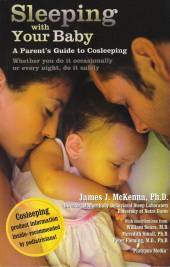
mckenna-sleeping-with-your-babyI am not alone in thinking this way. The Academy of Breast Feeding Medicine, the USA Breast Feeding Committee, the Breast Feeding section of the American Academy of Pediatrics, La Leche League International, UNICEF and WHO are all prestigious organizations who support bedsharing and which use the best and latest scientific information on what makes mothers and babies safe and healthy. Clearly, there is no scientific consensus.
What we do agree on, however, is what specific “factors” increase the chances of SIDS in a bedsharing environment, and what kinds of circumstances increase the chances of suffocation either from someone in the bed or from the bed furniture itself. For example, adults should not bedshare if inebriated or if desensitized by drugs, or overly exhausted, and other toddlers or children should never be in a bed with an infant. Moreover, since having smoked during a pregnancy diminishes the capacities of infants to arouse to protect their breathing, smoking mothers should have their infants sleep alongside them on a different surface but not in the same bed.
My own physiological studies suggest that breastfeeding mother-infant pairs exhibit increased sensitivities and responses to each other while sleeping, and those sensitivities offers the infant protection from overlay. However, if bottle feeding, infants should lie alongside the mother in a crib or bassinet, but not in the same bed. Prone or stomach sleeping especially on soft mattresses is always dangerous for infants and so is covering their heads with blankets, or laying them near or on top of pillows. Light blanketing is always best as is attention to any spaces or gaps in bed furniture which needs to be fixed as babies can slip into these spaces and quickly to become wedged and asphyxiate. My recommendation is, if routinely bedsharing, to strip the bed apart from its frame, pulling the mattress and box springs to the center of the room, therein avoiding dangerous spaces or gaps into which babies can slip to be injured or die.
But, again, disagreement remains over how best to use this information. Certain medical groups, including some members of the American Academy of Pediatrics (though not necessarily the majority), argue that bedsharing should be eliminated altogether. Others, myself included, prefer to support the practice when it can be done safely amongst breastfeeding mothers. Some professionals believe that it can never be made safe but there is no evidence that this is true.
More importantly, parents just don’t believe it! Making sure that parents are in a position to make informed choices therein reflecting their own infant’s needs, family goals, and nurturing and infant care preferences seems to me to be fundamental.
Our Biological Imperatives
My support of bedsharing when practiced safely stems from my research knowledge of how and why it occurs, what it means to mothers, and how it functions biologically. Like human taste buds which reward us for eating what’s overwhelmingly critical for survival i.e. fats and sugars, a consideration of human infant and parental biology and psychology reveal the existence of powerful physiological and social factors that promote maternal motivations to cosleep and explain parental needs to touch and sleep close to baby.
The low calorie composition of human breast milk (exquisitely adjusted for the human infants’ undeveloped gut) requires frequent nighttime feeds, and, hence, helps explain how and why a cultural shift toward increased cosleeping behavior is underway. Approximately 73% of US mothers leave the hospital breast feeding and even amongst mothers who never intended to bedshare soon discover how much easier breast feeding is and how much more satisfied they feel with baby sleeping alongside often in their bed.
But it’s not just breastfeeding that promotes bedsharing. Infants usually have something to say about it too! And for some reason they remain unimpressed with declarations as to how dangerous sleeping next to mother can be. Instead, irrepressible (ancient) neurologically-based infant responses to maternal smells, movements and touch altogether reduce infant crying while positively regulating infant breathing, body temperature, absorption of calories, stress hormone levels, immune status, and oxygenation. In short, and as mentioned above, cosleeping (whether on the same surface or not) facilitates positive clinical changes including more infant sleep and seems to make, well, babies happy. In other words, unless practiced dangerously, sleeping next to mother is good for infants. The reason why it occurs is because… it is supposed to.
Recall that despite dramatic cultural and technological changes in the industrialized west, human infants are still born the most neurologically immature primate of all, with only 25% of their brain volume. This represents a uniquely human characteristic that could only develop biologically (indeed, is only possible) alongside mother’s continuous contact and proximity—as mothers body proves still to be the only environment to which the infant is truly adapted, for which even modern western technology has yet to produce a substitute.
Even here in whatever-city-USA, nothing a baby can or cannot do makes sense except in light of the mother’s body, a biological reality apparently dismissed by those that argue against any and all bedsharing and what they call cosleeping, but which likely explains why most crib-using parents at some point feel the need to bring their babies to bed with them —findings that our mother-baby sleep laboratory here at Notre Dame has helped document scientifically. Given a choice, it seems human babies strongly prefer their mother’s body to solitary contact with inert cotton-lined mattresses. In turn, mothers seem to notice and succumb to their infant’s preferences.
There is no doubt that bedsharing should be avoided in particular circumstances and can be practiced dangerously. While each single bedsharing death is tragic, such deaths are no more indictments about any and all bedsharing than are the three hundred thousand plus deaths or more of babies in cribs an indictment that crib sleeping is deadly and should be eliminated. Just as unsafe cribs and unsafe ways to use cribs can be eliminated so, too, can parents be educated to minimize bedsharing risks.
Moving Beyond Judgments to Understanding
We still do not know what causes SIDS. But fortunately the primary factors that increase risk are now widely known i.e. placing an infant prone (face down) for sleep, using soft mattresses, maternal smoking, overwrapping babies or blocking air movement around their faces. In combination with bedsharing, where more vital normal defensive infant responses and may be more important to an infant (like the ability to arouse to bat a blanket which momentarily falls to cover the infants face when its parent moves or turns) these risks become exaggerated especially amongst unhealthy infants. When infants die in these obviously unsafe conditions, it is here where social biases and the sheer levels of ignorance associated with actually explaining the death become apparent. A death itself in a bedsharing environment does not automatically suggest, as many legal and medical authorities assert, that it was the bedsharing, or worse, suffocation that killed the infant. Infants in bedsharirng environments, like babies in cribs, can still die of SIDS.
It is a shame and certainly inappropriate that, for example, the head pathologists of the state of Indiana recommends that other pathologists assume SIDS as a likely cause of death when babies die in cribs but to assume asphyxiation if a baby dies in an adult bed or has a history of “cosleeping”. By assuming before any facts are known from the pathologist’s death scene and toxicological report that any bedsharing baby was a victim of an accidental suffocation rather than from some congenital or natural cause, including SIDS unrelated to bedsharing, medical authorities not only commit a form of scientific fraud but they victimize the doomed infant’s parents for a third time. The first occurs when their baby dies, the second occurs when health professionals interviewed for news stories (which commonly occurs) imply that when a baby dies in a bed with an adult it must be due to suffocation (or a SIDS induced by bedsharing). The third time the parents are victimized is when still without any evidence medical or police authorities suggest that their baby’s death was “preventable,” that their baby would still be alive if only the parents had not bedshared. This conclusion is based not on the facts of the tragedy but on unfair and fallacious stereotypes about bedsharing.
Indeed, no legitimate SIDS researcher nor forensic pathologist should render a judgment that a baby was suffocated without an extensive toxiological report and death scene investigation including information from the mother concerning what her thoughts are on what might or could have happened.
Whether involving cribs or adult beds, risky sleep practices leading to infant deaths are more likely to occur when parents lack access to safety information, or if they are judged to be irresponsible should they choose to follow their own and their infants’ biological predilections to bedshare, or if public health messages are held back on brochures and replaced by simplistic and inappropriate warnings saying “just never do it.” Such recommendations misrepresent the true function and biological significance of the behaviors, and the critical extent to which dangerous practices can be modified, and they dismiss the valid reasons why people engage in the behavior in the first place.
For More Information:
A Popular Parenting Book
Sleeping With Your Baby: A Parent’s Guide To Cosleeping by James J.McKenna (2007). Platypus Press.
The Scientific Perspective
McKenna, J., Ball H., Gettler L., Mother-infant Cosleeping, Breastfeeding and SIDS: What Biological Anthropologists Have Learned About Normal Infant Sleep and Pediatric Sleep Medicine. Yearbook of Physical Anthropology 50:133-161 (2007)

World's First GM Babies: Really? What's Next?

Um....the article below is SERIOUSLY disturbing.  I think this is subject matter that should be discussed in the world of epigenetics.  I just read the article this morning and I'm still in a bit of shock.  This is truly the beginning of potential drastic change in the human species.  We are entering a world where we are no longer utilizing the gifts of natural selection but taking control over nature.

Notice the blue strawberry below.  Look at it closely....does it look or feel natural to you ?  I just reposted this on Facebook and had a few comments about it tasting delicious.  Honestly, I just really don't care how good it is or isn't.  The fact that it is cross bred with a Arctic Flounder Fish.  It just sounds WRONG!  Maybe its just me....

I have yet to believe that ANYTHING we create in regards to ANY modern technology would be greater or better than what the Divine or Grand God/Goddess can create.  I feel afraid at the outcome of these changes to our society as a whole and the individual. I see something with this large a change in human kind should have YEARS worth of studies. I don't even know what else to say at the moment.  Feel free to share your comments or opinions in the bottom.

In Peace,
Rachel

Scientists have come up with a Blue Strawberry by splicing them with Fish genes:

Scientists are genetically modifying strawberries in order to allow them to resist freezing temperatures better. They're doing it by artificial transfer of genes from a species of fish called the Arctic Flounder Fish. The Arctic Flounder Fish produces an anti-freeze that allows it to protect himself in freezing waters.

They isolated the gene that produces this anti-freeze and introduced it to the strawberry. The result is a strawberry that looks blue and doesn't turn to mush or degrade after being placed in the freezer. While they're not in production, research is ongoing. 

_________________________________________________________

___________________________________________________________
World's first GM babies born

by MICHAEL HANLON, Daily Mail
    The world's first geneticallymodified humans have been created, it was revealed last night.
    The disclosure that 30 healthy babies were born after a series of experiments in the United States provoked another furious debate about ethics.

    So far, two of the babies have been tested and have been found to contain genes from three 'parents'.
    Fifteen of the children were born in the past three years as a result of one experimental programme at the Institute for Reproductive Medicine and Science of St Barnabas in New Jersey.

    The babies were born to women who had problems conceiving. Extra genes from a female donor were inserted into their eggs before they were fertilised in an attempt to enable them to conceive.

    Genetic fingerprint tests on two one-year- old children confirm that they have inherited DNA from three adults --two women and one man.

    The fact that the children have inherited the extra genes and incorporated them into their 'germline' means that they will, in turn, be able to pass them on to their own offspring.

    Altering the human germline - in effect tinkering with the very make-up of our species - is a technique shunned by the vast majority of the world's scientists.

    Geneticists fear that one day this method could be used to create new races of humans with extra, desired characteristics such as strength or high intelligence.

    Writing in the journal Human Reproduction, the researchers, led by fertility pioneer Professor Jacques Cohen, say that this 'is the first case of human germline genetic modification resulting in normal healthy children'.

    Some experts severely criticised the experiments. Lord Winston, of the Hammersmith Hospital in West London, told the BBC yesterday: 'Regarding the treat-ment of the infertile, there is no evidence that this technique is worth doing . . . I am very surprised that it was even carried out at this stage. It would certainly not be allowed in Britain.'

    John Smeaton, national director of the Society for the Protection of Unborn Children, said: 'One has tremendous sympathy for couples who suffer infertility problems. But this seems to be a further illustration of the fact that the whole process of in vitro fertilisation as a means of conceiving babies leads to babies being regarded as objects on a production line.

    'It is a further and very worrying step down the wrong road for humanity.' Professor Cohen and his colleagues diagnosed that the women were infertile because they had defects in tiny structures in their egg cells, called mitochondria.

    They took eggs from donors and, using a fine needle, sucked some of the internal material - containing 'healthy' mitochondria - and injected it into eggs from the women wanting to conceive.

    Because mitochondria contain genes, the babies resulting from the treatment have inherited DNA from both women. These genes can now be passed down the germline along the maternal line.

    A spokesman for the Human Fertilisation and Embryology Authority (HFEA), which regulates 'assisted reproduction' technology in Britain, said that it would not license the technique here because it involved altering the germline.

    Jacques Cohen is regarded as a brilliant but controversial scientist who has pushed the boundaries of assisted reproduction technologies.

    He developed a technique which allows infertile men to have their own children, by injecting sperm DNA straight into the egg in the lab.

    Prior to this, only infertile women were able to conceive using IVF. Last year, Professor Cohen said that his expertise would allow him to clone children --a prospect treated with horror by the mainstream scientific community.

    'It would be an afternoon's work for one of my students,' he said, adding that he had been approached by 'at least three' individuals wishing to create a cloned child, but had turned down their requests.


    Epigentics: The Environment Defines The Imprinting

    The article below is fascinating!  Again, more evidence that our DNA patterns can and DO shift based upon the inner uterine environment.  The idea that all our sensory experiences, thought patterns and experience are encoded in the DNA and that DNA can and does change and shift is hard for some people to digest.  As science works its magic, its proving this theory to be absolutely TRUE!  

    img
    Beliefs, perceptions and our attitudes about life imprint in our child's psyche as a preparation for the world he/she will be entering.  The more peaceful, calm, supported and relaxed a women feels during her conception/pregnancy time frame, the more peaceful, calm, supported and relaxed her newborn will be in and out of utero.  
    Michel Odent preaches that his belief is the more calm and relaxed we keep a mother during her pregnancy, the shift in epigenetics you will also see in the child.  This is very logical thinking yet so foreign to so many of us.  How can your child be ANYTHING other than what DNA patterns of the woman's egg and the man's sperm carries within its structure?
    I will leave the rest up to you to read and watch.  I see this as IMPORTANT information in shifting negative belief patterns and reshaping the ideas of future generations of their perspectives of the world around them and the safety within it.  This can only happen when Mothers and Fathers open their own psychological pandora's box and find peace in living in our world.......creating tranquility in our world for generations to come.  
    In Peace,
    Rachel

    Differences Between Human Twins at Birth Highlight Importance of Intrauterine Environment

    ScienceDaily (July 15, 2012) — Your genes determine much about you, but environment can have a strong influence on your genes even before birth, with consequences that can last a lifetime. In a study published online in Genome Research, researchers have for the first time shown that the environment experienced in the womb defines the newborn epigenetic profile, the chemical modifications to DNA we are born with, that could have implications for disease risk later in life.

    Epigenetic tagging of genes by a chemical modification called DNA methylation is known to affect gene activity, playing a role in normal development, aging, and also in diseases such as diabetes, heart disease, and cancer. Studies conducted in animals have shown that the environment shapes the epigenetic profile across the genome, called the epigenome, particularly in the womb. An understanding of how the intrauterine environment molds the human epigenome could provide critical information about disease risk to help manage health throughout life.
    Twin pairs, both monozygotic (identical) and dizygotic (fraternal), are ideal for epigenetic study because they share the same mother but have their own umbilical cord and amniotic sac, and in the case of identical twins, also share the same genetic make-up. Previous studies have shown that methylation can vary significantly at a single gene across multiple tissues of identical twins, but it is important to know what the DNA methylation landscape looks like across the genome.
    In this report, an international team of researchers has for the first time analyzed genome-scale DNA methylation profiles of umbilical cord tissue, cord blood, and placenta of newborn identical and fraternal twin pairs to estimate how genes, the shared environment that their mother provides and the potentially different intrauterine environments experienced by each twin contribute to the epigenome. The group found that even in identical twins, there are widespread differences in the epigenetic profile of twins at birth.
    "This must be due to events that happened to one twin and not the other," said Dr. Jeffrey Craig of the Murdoch Childrens Research Institute (MCRI) in Australia and a senior author of the report. Craig added that although twins share a womb, the influence of specific tissues like the placenta and umbilical cord can be different for each fetus, and likely affects the epigenetic profile.
    Interestingly, the team found that methylated genes closely associated with birth weight in their cohort are genes known to play roles in growth, metabolism, and cardiovascular disease, lending further support to a known link between low birth weight and risk for diseases such as diabetes and heart disease. The authors explained that their findings suggest the unique environmental experiences in the womb may have a more profound effect on epigenetic factors that influence health throughout life than previously thought.
    Furthermore, an understanding of the epigenetic profile at birth could be a particularly powerful tool for managing future health. "This has potential to identify and track disease risk early in life, said Dr. Richard Saffery of the MCRI and a co-senior author of the study, "or even to modify risk through specific environmental or dietary interventions."

    Stepping Outside The Birth Box

    I recently heard the song below and was fascinated by it.  It was written in the 60's, a time of feminism and personal exploration.  A HUGE awakening was taking place where people found a new way of thinking and being.  I believe we are making a similar transition NOW in our world.  Especially when it comes to BIRTH!  

    We are in a birth revolution and its VERY EXCITING!  Women, men and families are taking back their rights to birth how, when and where they choose.  They are standing up for freedom in pregnancy and birth and doing what they can to stimulate change and education.  Its AWESOME and INSPIRING in every way.

    Sixteen years ago, I noticed a small and subtle shift taking place.  At that point, I still talked with women who thought I was COMPLETELY crazy (which I am, btw, I'm not afraid to admit it)  that I chose homebirth and waterbirth and even just plain 'ol natural childbirth.  Just choosing to have your baby without any drugs was a concept most women scoffed at.

    It was been a wonderful ride to see the courage, strength and personal empowerment of women and men to speak UP about the abuses and violence that currently take place in birth.  The level of control and falsely held beliefs surrounding birth seemed to stymie any growth for change within the birth environment for years. That is NO LONGER!

    My experience has taught me that since the invent of the computer and the easy access to information has made, we've seen the BIGGEST differences.  Education is the key that opens the door to understanding and removal of myths and fears revolving around birth.  I know that sounds so simple but it really is.

    I watch the faces of those who attend my childbirth classes and see a sense of bewilderment at where we are as a society and nation when it comes to birth.  They feel lost.  They feel scared.  Once they learn the truth about birth, the inherent safety of it when left alone, and the intelligent capacity of their bodies to birth healthy babies,  I see a couple who can move forward making positive birth choices based on truth, understanding and trust of human kind.  Its truly enlightening to watch!

    I hope you enjoy the video below.  Its time to rip ourselves outside of the "birth box" and open new avenues for confident change in birth.  It really is time to unbind a women's hands and offer her freedom in her birth choices. Its time to be, as Malvina Reynolds herself is, A REVOLUTIONARY!

    In Peace,
    Rachel


    Props For All The Midwives

    Excellent video on the benefits of midwives!  Its unfortunate where we are nation wide when it comes to midwifery care and home birth.  Things seem to be looking up and changing....but very slowly!  

    I appreciate what he says about midwives at the end of the video, but truthfully....I do nothing. Other than empower women to see their own courage and strength and live their BIRTH dreams!  I ADORE what I do....
    Enjoy....
    Rachel

    The BEST Party EVER!

    Here's just an update about how AWESOME Mabel's birthday was.  We had a REALLY good time.  Below are pictures and videos to show you all the FUN!  I thoroughly enjoy planning parties and getting presents for my younger kids....especially when they are only 4 years old.  They just LOVE everything they get and are grateful for it all!!!  I'm sad to think she is growing up so fast....I'm striving to relish EVERY moment of it.

    To start off the festivities, we made a DELICIOUS veggie pizza with a individual gluten free crust.  The kids devoured them.  I was surprised how good they actually tasted!!!  I asked Chris to take a picture of the final product but for some reason that didn't happen.  Just try and imagine the YUMMINESS in your mind.  That'll give you an idea of how OUTSTANDING our pizzas were!

    Next we moved onto cake!  I made a decent chocolate cake.  I made it out of our gluten free pancake mix, because YES, I am lazy like that.  She LOVED it.  I made a cherry coconut cream to go on top.  Chris devoured it and said it was great!  I seriously beg to differ....but here's us singing Happy Birthday!  

    Notice Mabel's hair.  It doesn't look like that because I want it to look like that.  It looks like that because she refuses to let me do her hair.  Once I do it, she likes to leave it that way for DAYS!  But she sleeps in it and plays and messes it all up.  This is just one of the battles I refuse to fight.  Don't judge me....:)


    Here we have Mabel opening her presents.  Pratt gave her everything he no longer wanted and she ADORED it all!  My favorite part of her birthday....:)  

    Next we have the BIG present from Chris and I she's been asking for since January!  THE GRAND BIKE!!!  That freaking bike cost $70....We couldn't believe it and couldn't find anything cheaper....Lame.  But she LOVED it and rides it everyday since she's gotten it.  It had EVERYTHING she asked for on it.  SO FUN!!!
    Lastly, we have Golden, who just happens to be one of Mabel's VERY best friends, helping her learn how to ride her bike.  She looks here like she might never learn how to do it but she's a pro now.  It only took a couple of days for her to figure it out!  


    Here's just some extra pictures for your viewing pleasure....Ya, my family members are, pretty much. the most MAGNIFICENT people I know....But what do I know. :)  

    So there it is!  Don't be jealous....You can plan just as EXCITING a party at your home as well.  Feel free to email or call to find out how.  LOL!!!!  hahahahah....:)


    Have a WONDERFUL Wednesday!  


    In Peace,
    Rachel


    Study Shows Premature Babies Feel Pain From Procedures

    So babies do feel!  And they don't have to be premature to do so! Again, a common theme I talk about OVER and OVER on this blog.  I'm hoping that Moms and Dads will REALLY get this idea.  That babies feel EVERYTHING.   Not only do they feel everything but they are storing ALL their experience and all the information in their limbic brains.  Its all there.  Not only is it stored there but it stays there forever....waiting for a time when any trauma or wounding is ready to be healed.

    Its that simple.  Can you imagine someone taking a needle to your arm or leg without your knowing?  Or without telling you first?  You'd be LIVID if someone just walked up to you and stabbed you with a needle.  But we're doing it to our babies every single day in our country.  And we call something that is truly abusive "normal".

    I am in awe of what we consider "normal" nowadays.  We consider war normal....and to me....killing other human beings is the farthest we can get from normal.  It goes against almost everything inside of us to point a gun at another human being and shoot them dead.  This is why war veterans come home steeped in trauma.  Their whole experience forever changed them....

    Babies come into this world expecting to give and receive love.  If anything other than love "imprints" as normal brain patterns, it is then stored as the "normal" comfort zone for that infant.  What trauma and wounding takes place at birth are then passed into the limbic brain and stored.  The storage of that information then effects all the perspectives and life choices that will child will potentially make.

    img

    LOVE the study below on how infants can, of course, feel pain.  Its interesting to me that we have to create a study to prove it.  We just can't use logic and intuition to know it!  Babies remember gestation, babies remember labor, babies remember birth, babies remember their WHOLE experience.  To believe otherwise isn't logical nor professional.

    Peace on earth DOES begin at birth!  The wounding and trauma that the MOTHER can heal within herself will not then be passed onto her unborn child.  The greater effort she makes to heal her own wounding from her birth experience and limbic imprinting does forever shift the perspectives of her newborn.  Plus, it stimulates a respect in the infant for life and love above most of us who have been born in trauma and fear.

    Please also read 2 recent posts on the subject:
    How We Handle Our Newborns Has Life Long Effects
    Doctors Say Newborns Only Feel Pain At Birth

    I'm SO excited its Monday.....Here's to hoping everyone has an AMAZING week!

    In Peace,
    Rachel
    _____________________________________________________________

    Premature Infants Do Feel Pain from Procedures: Physiological Markers for Neonate Pain Identified

    ScienceDaily (July 2, 2012) — There was a time when a belief was widely held that premature neonates did not perceive pain. That, of course, has been refuted but measurements of neonate pain tend to rely on inexact measures, such as alertness and ability to react expressively to pain sensations. Researchers at Loma Linda University reported in The Journal of Pain that there is a significant relationship between procedural pain and detectable oxidative stress in neonates.

    Previous studies have shown an approach involving measurement of systemic biochemical reactions to pain offers the benefit of providing an objective method for measuring pain in premature neonates. Exposure to painful procedures often results in reductions in oxygen saturations and tachycardia, but few studies have quantified the effects of increased pain oxygen consumption. No studies have examined the relationship between pain scores that reflect behavioral and physiological markers of pain and plasma markers of ATP utilization and oxidative stress.

    In this study, 80 preterm neonates were evaluated. In about half, tape was taken off the skin following removal of catheters, and they were evaluated for oxidative stress by measuring uric acid and malondialdehyde (MDA) concentration in plasma before and after the procedure. These subjects were compared with a control group not experiencing tape removal. Pain scores were assessed using the Premature Infant Pain Profile. The data showed there was a significant relationship between procedural pain and MDA, which is a well accepted marker of oxidative stress.

    There were increases in MDA in preterm neonates exposed to the single painful procedure and not in the control group. Since premature neonates undergo several painful procedures a day, the researchers concluded that if exposure to multiple painful procedures is shown to contribute to oxidative stress, biochemical markers might be useful in evaluating mechanism-based interventions that could decrease adverse effects of painful procedures.


    The Statistical Safety Of Homebirth

    If there is a better way to give birth,  then why aren't ALL of the birth professionals across our nation working together to make birth better.  This idea is logical but seems to still be a difficult task to achieve.  I am in awe of those of us, as birth professionals, who still let our ego's get in the way and our pride and fear make the decisions about birth.  When will all of us, as care providers for Moms and babies, accept that birth is shrouded in mystery and that it requires being comfortable in the unknown to be able to make the best decisions for them? 

    When fears blind our ability to be present in the pregnancy/birth experience, how can we expect that our choices will be the ideal?  They won't.  Decision based in fear may be a motivation for change but fear brings with it an inability to see the whole picture in any situation.  Without seeing the whole picture, our choices are then skewed and the consequences of those choices could have profound effects at the birth.

    Home birth can be as safe, if not safer in some regards, as a hospital birth.  Many times, when dealing with a low risk, healthy Moms... staying home might help keep her birth safer.  How might that be you ask?  Well, I'll tell you.  Birth is a normal, natural physiological process.  When we mess with birth....when we induce it too soon, when we drug the birth experience in any way, when we take a women OUT of her safe environment, when we manage and control birth is when we cause problems.  Its that simple...

    Ob/Gyn's are phenomenal at what they do, especially when they stay within their scope of practice.  Once they decide to go outside that scope and care for the healthy, low risk women....is when complications may come about.  Unnecessary procedures and testing, which carry lots of false results, could potentially take a healthy, low risk women to a high risk pregnancy.  The down side to that is once a women is considered high risk her WHOLE pregnancy and birth experience change DRAMATICALLY.  Her freedoms and ability to make conscious choices for herself are then promoted lathered in fear. 

    Birth is meant to be left alone.  When making love, interruption is a invasive and disturbing.  It halts the process of connection and orgasm and completely shifts the dynamic of the experience in a very deep way.  Birth is no different.  To interrupt the birth process, to disturb and disrupt it....forever changes it.  

    Interesting article below on the truth of the safety of home birth.  Home birth is ABSOLUTELY safe.  And guess what....when a women and her partner come together making healthy life style choices in every way.....then home birth can EVEN become safer.  Handing back the responsibility of pregnancy and birth to women and families will stimulate the shift we're needing to make birth better in our country.

    That would mean that we're using education as a forum for change.  First off, knowing what is truly evidence based and what's not, makes a difference in what decisions you will and won't make for you and your pregnancy/birth.  Education, intuition and application are the answers for safer, happier births.

    Knowing the myths and facts of birth will ease fears and open new doorways of understanding.  What it really is and what its really not.  An excellent book for those of you wanting to know your choices is called "The Thinking Women's Guide to a Better Birth."  Those Henci is a powerful women and opinionated, her book shows volumes of evidence based research about birth.  She goes over the risks and benefits of every birth environment.  It teaches you the majority of your birth choices and then let's you decide what you think works best for you.

    img

    I hope you enjoy the article.  I did!  I also hope that before blindly following the information you've been told about your pregnancy and birth, DO YOUR HOMEWORK, EAT HEALTHY, EXERCISE, TRUST BIRTH, RELEASE FEARS and most importantly,  RELAX and open yourself to the experience.  When you do, the world is at your feet.   You will gain something within yourself you never thought possible.  Try it.....I promise, you won't be disappointed!

    In Peace,
    Rachel
    _________________________________________________________

    Mother Susan Veenhoff sits in bed with her newborn Maarten Rammeloo, who was born at home in Amsterdam

    Mother Susan Veenhoff sits in bed with her newborn Maarten Rammeloo, who was born at home in Amsterdam
    Photograph by Maartje Blijdenstein/AFP/Getty Images.
    So far this year women have learned that we can't have it all: We can't breast-feed past infancy without some idiot calling it pedophilia; we can't work a top political job in D.C. and raise a well-adjusted teenager in New Jersey. And we can't have a candle-lit home birth that isn't also dangerous, according to Michelle Goldberg at the Daily Beast.

    For a long time home birth was too fringe to get caught in this parenting no-fly zone, but lately it’s been fitting quite nicely into the mommy war media narrative: There are the stories about women giving birth at home because it's fashionable, the idea that women are happy sacrificing their newborns for some “hedonistic” spa-like experience, or that moms-to-be (and their partners) are just dumb and gullible when it comes to risk management, making a decision that is “akin to not putting your child in a car seat because some layperson told you that car seats were unnecessary,” as blogger Amy Tuteur, M.D., put it.
    I bring up Tuteur here because she is heavily quoted in Goldberg's piece, and. in fact, her point of view frames Goldberg's story, the gist of which is pretty well-summarized in its headline: "Home Birth: Increasingly Popular, but Dangerous."

    For many parents, home birth is a transcendent experience. ... Yet as the number of such births grows, so does the number of tragedies—and those stories tend to be left out of soft-focus lifestyle features. Now a small but growing number of people whose home deliveries have gone horribly awry have started speaking out, some of them on a blog, Hurt by Homebirth, set up by former Harvard Medical School instructor Amy Tuteur. “These people are beating themselves up over this,” says Tuteur, perhaps the country’s fiercest critic of the home-birth subculture. “They did it because they thought it was safe, and it wasn’t safe.”
    Goldberg's reliance on Tuteur is an interesting choice. Also known as “Dr. Amy,” Tuteur let her medical license lapse in 2003 and created the blog Home Birth Debate in 2006, which she used to advocate for her position, which is basically: Home birth kills babies. “Even the studies that claim to show that home birth is as safe as hospital birth actually show the opposite,” she'd frequently post in response to a challenge, smearing the researchers of those studies in dedicated blog posts and igniting flame wars in the comments section. On other sites, including Nature and RH Reality Check, her comments have been flagged and removed for being defamatory or basically spam.

    In 2009 Tuteur moved over to her new blog, The Skeptical OB, the name of which is, on the one hand, misleading because she hasn't been in practice for more than a decade, but is ultimately more appropriate because her old site was never really about debate. She wrote briefly for Open Salon, where she took issue with Amnesty International's research on maternal mortality, and had a mutual parting with the blog Science Based Medicine (“mutual efforts between the editors and Dr. Tuteur to resolve our differences came to an impasse,” managing editor David Gorski wrote in the announcement). Her prose tends to be inflammatory. “It's hard to beat homebirth midwives when it comes to stupidity,” she recently blogged on her own site.

    In January 2011, Tuteur added a new domain to her brand, Hurt by Home birth, in which she invites guest posts—“and please include pictures if you can”—from tragedy-stricken mothers.

    Of course, there is nothing wrong with a site for parents who have lost their babies or had traumatic homebirth experiences. And there is nothing wrong with a one-sided advocacy blog. The problem is when a dogged journalist like Goldberg elevates Tuteur to expert. Tuteur is not a researcher, she's not currently affiliated with any medical institution, and more importantly, she's never published any of her kitchen-table calculations on the risks of home birth in any peer-reviewed journal. Yet she presents herself with the authority of a CDC epidemiologist when she writes, “Homebirth increases the risk of neonatal death. All the existing scientific evidence says so.”

    Goldberg makes it clear in her piece that the research comparing home birth to hospital birth is difficult for nonscientists to parse. “One could spend days sorting through the claims and counterclaims,” Goldberg writes about the only recent study of American home births, which Tuteur has been beating up on for years and to which the authors, for better or worse, have been responding. Goldberg gives Tuteur a platform for her unpublished claims and number-crunching: “They sliced and diced the data to fool people who are not sophisticated,” Tuteur tells Goldberg, before going on to interpret Colorado state data as well.

    “Ultimately, for those without medical expertise or statistical training, deciding whom to trust is as much a question of philosophy as of data, because the debate isn’t just about numbers,” Goldberg writes. “It’s also a metaphysical argument about the nature of childbirth.” Perhaps that's true for couples who are deciding what's best for them. But for a reporter trying to inform those decisions, it doesn’t seem very useful to throw up one's hands and say, hey, this is a metaphysical debate! What about the data? Why not call a scientist?

    I could list several recent large prospective studies (this one out of Canada, this one out of the Netherlands, and this one out of the United Kingdom) all comparing where and with whom healthy women gave birth, which found similar rates of baby loss—around 2 per 1,000—no matter the place or attendant. We could pick through those studies’ respective strengths and weaknesses, talk about why we'll never have a “gold-standard” randomized controlled trial (because women will never participate in a study that makes birth choices for them), and I could quote a real epidemiologist on why determining the precise risk of home birth in the United States is nearly impossible. Actually, I will: “It's all but impossible, certainly in the United States,” says Eugene Declercq, an epidemiologist and professor of public health at Boston University, and coauthor of the CDC study that found the number of U.S. home births has risen slightly, to still less than 1 percent of all births. One of the challenges is that “the outcomes tend to be pretty good,” Declercq says. “So when Tuteur says no study anywhere has found this, it's a crock. There are studies that have found good results.” But to really nail it down here in the U.S., he says, we'd need to study tens of thousands of home births, "to be able to find a difference in those rare outcomes.” With a mere 30,000 planned home births happening each year nationwide, “We don't have enough cases.”

    Declercq's statement makes Goldberg's only other source on safety also questionable. Martha Reilly, M.D., of Eugene, Ore., tells her that every OB at her hospital, McKenzie-Willamette Medical Center, has seen a baby dead or injured by a home birth: “The death rate we're looking at ... it's outrageous.” But how can this be? The Department of Health reports 102 planned home births in Lane County in 2010. Reilly's claim is improbable given that the odds are in the per-thousand range, though it's perhaps indicative of how polarized some providers are on this issue. A few years ago Melissa Cheyney, anthropologist at Oregon State, investigated a physician's claims that several babies had died in home births, but she could find none.* “What we found is that the animosity is so high between midwives and obstetricians that all kinds of rumors spread that are unsubstantiated,” she told me.

    Deep into her piece, Goldberg repeats the Tuteur talking point that some midwives—nurse midwives—are fine and safe because they “have the same sort of training as midwives in countries like the Netherlands,” but not “the other kind,” i.e., the certified professional midwives, who attend home births in the United States but are not nurse practitioners. Actually, midwives in the Netherlands and other countries are not nurses. They don't go to nursing school, and they don't practice under the supervision of physicians like nurse-midwives do here. They're independent, autonomous pregnancy and childbirth-care providers who set their own standards just like any other profession. What's relevant is that, unlike the non-nurse midwives in the United States, European and Canadian midwives have hospital privileges and are integrated into the system, which everyone agrees is the safer protocol. But in the United States, medical groups oppose legislative efforts to license CPMs.

    Like Tuteur’s new site, Goldberg builds her piece around two horrific home birth tragedies. Any reader would, and should, be moved by them. By these women's accounts, their midwives made terrible decisions and, worst of all, didn't get informed consent from their patients, which is central to midwives' practice standards. But is it responsible journalism to construct a story around the rare outcome? And is it logical for us, as readers, to take away from the anecdotes that home birth is dangerous?
    “What we're talking about is felt risk rather than actual risk,” explains Barbara Katz-Rothman, professor of sociology at the City University of New York and author of much scholarship on birth, motherhood, and risk. Take our fear of flying. “Most people understand intellectually that on your standard vacation trip or business trip, the ride to and from the airport is more likely to result in your injury or death than the plane ride itself, but you never see anybody applaud when they reach the airport safely in the car.” The flight feels more risky. Similarly, we can look at data showing our risk of infection skyrockets the second we step in a hospital, “but there's something about the sight of all those gloves and masks that makes you feel safe.”

    I'll venture that the reason most women don't choose home birth is because it doesn't feel safe, and that trumps data any day. What's unfortunate is that if we could get past the professional turf wars and the mommy shaming, women might have a clearer path to making informed decisions that both are safe and feel safe. It would almost be like having it all.


    Microflora Makes Your Baby Smart AND You Happy
    img

    A few weeks back I mentioned I was going to discuss more about fermentation and the AMAZING benefits it provides you for better health and vitality.  Well, here it is!  Within my 10 years of eating a raw diet, I have experimented on and off with fermentation.

    There are SO many differing opinions on fermenting...especially in the raw world.  Some experts say its really not good for you and your basically eating decaying food.  Others spout extensively about the wonderful benefits and feel passionately that fermenting is really vital to your body's health.

    Within a few years of eating a raw diet, I learned about fermenting.  I started making many of my own fermented foods, just to see how it would effect my body.  You will hear me repeat OVER and OVER on my blog how important I believe self experimentation is.  Everyone's body ecology is different.  Everyone has personal physical weaknesses that might deeply benefit from fermentation.  Mine did!

    I spent the next few years fermenting away and really LOVING it!  Because my bowels and immune system has been weakened by all my surgeries, bad lifestyle habits, & loads of pesticides in my food, fermented foods works powerfully well with my body and its need to have energy and feel strong.  Though fermented foods can definitely help anyone who tries it,  I think the extremity of the results will speak for themselves on how badly your personal body may or may not need fermented foods.

    I do think everyone has compromised immune systems nowadays and fermenting foods really can increase ALL bodily functions and organs to perform better.  To function more effectively.  I've seen with myself and the people I've worked with who have tried fermentation for themselves.

    You have about 400 different types of microflora or good bacteria inoculating your internal stomach lining.  This microflora does a WIDE variety of things for your body....from helping food to digest and assimilate better....to increasing systemic enzymatic activity.  When you increase systemic enzyme activity, you look and feel younger.  You have more energy.  Enzymes are catalysts to help rebuild tissues and keep our skin and hair looking and feeling great!

    All this microflora aids in almost every bodily process to keep your system functioning at its highest.  When your bowels are short microflora or your not producing or ingesting enough,  or you've ever taken antibiotics in your lifetime, your health suffers.

    There truly is only one disease....constipation.  Lots of flourishing microflora, increases bowel movements which includes quickened excretion of waste, decayed fecal matter.  Cleaning house internally through bowel cleansing, is an excellent way to get yourself started on a HEALTHIER you, along with rebuilding all that microflora through use of probiotics and fermented foods.

    I ADORE the article below because not only do we know about all the AWESOME benefits physically of balanced gut flora but now its showing an inspiring emotional reason to eat fermented foods.  You might actually feel HAPPIER!  Who doesn't want that?

    I'm a very happy, content person in my life right now and I'm open to believing part of the reason for that is my extensive use of fermented foods.  About 4+ years ago, I decided to try a pretty strict raw diet that advocated no fermented foods.  I wanted to experiment with myself again to see how my body responded when I stopped eating fermented foods.

    I did spend a couple years not noticing a significant difference.  It wasn't until I reintroduced fermented foods back into my diet that I noticed that biggest difference.  I did notice I was feeling more elation, for sure.  But even better, I noticed my skin looking better.  My hair looking better. My brain fog I get off and on is COMPLETELY gone!  My body just functions BETTER, in every way.   I'm a believer at this point....

    I have taught classes here locally on  fermented foods.  I used to make VOLUMES of my own kombucha years back but decided quickly that was more work than I wanted and moved onto just purchasing it from the store.  Making your own kombucha is very SIMPLE!  It was the 12 gallons I was making at once that made it overwhelming for me.  You should google how to make your own and try it.  You are always welcome to email or call me if you have questions.

    img

    Laurel Farms is the BEST site to learn EVERYTHING you want to know about Kombucha.  Betsy is actually is the women to helped bring kombucha to America.  I've actually talked with her on the phone a couple of times.  She's VERY sweet and takes the time to make sure you feel you know what your doing.  If you are going to purchase a mother, I would make sure its from her! 

    Of course, I am discussing fermentation today because I believe fermentation is a very VITAL key to the health of your unborn child.  Read the article below for yourself and decide what you think.  Some recent research is showing the effects of coconut kefir on children with autism.  Gut flora feeds seems to feed the brain in ways other foods may not.  I just recently watched a video where a women swears she helped get her husband's Alzheimer's  symptoms decrease in every way.  In fact, she thinks he's cured from it.  All because of coconut kefir!
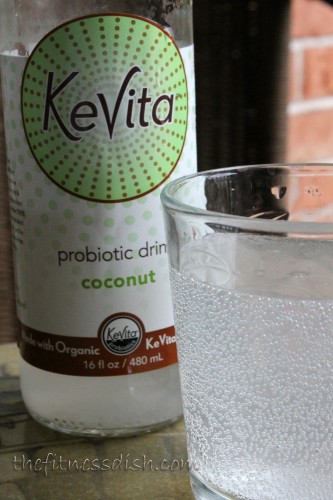
    img

    Also, balanced gut flora feeds your baby in EVERY way possible during your pregnancy.  It does set the stage for the health or ill health of your child after birth.  GBS (Group B Streptococcus) seems to be a huge fear for a lot of women and families right now.  I believe working on creating healthy microflora before and during your pregnancy, can potentially thwart any issues with GBS.  I will post more on that later and discuss my personal views on GBS so check back soon!

    I have posted 3 videos below as well.  The first shows the health benefits of drinking kombucha.  The second is just a video I thought was quite funny, is a little girl gnawing on a kombucha mother. (The mother is the main microbial piece that keeps the teas good bacteria growth in check)  HYSTERICAL!  Let me tell you, that thing would NOT taste good! I'm was shocked this little girl was eating it.

    The last video shows you how to make your own coconut kefir and yogurt.  We've been making coconut kefir at our house for about a year now.  I make sure my kids get it several times a week.  POWERFUL stuff!  The MOST delicious food we make is coconut yogurt ice cream!  YUMMY!  Oh, I do not use kefir grains.  Never have.  I just used the magnificent probiotic capsules!  Those seem to do just as well. :)

    I hope you all start experimenting with microflora and fermented foods.   I will be posting a lot more about it.  I do see fermentation playing a large role in keeping you physically healthy and fit.

    In Peace,
    Rachel
    __________________________________________________

    Early Gut Bacteria Regulate Happiness

    ScienceDaily (June 12, 2012) — UCC scientists have shown that brain levels of serotonin, the 'happy hormone' are regulated by the amount of bacteria in the gut during early life. Their research is being published June 12 in the international psychiatry journal, Molecular Psychiatry.

    This research shows that normal adult brain function depends on the presence of gut microbes during development. Serotonin, the major chemical involved in the regulation of mood and emotion, is altered in times of stress, anxiety and depression and most clinically effective antidepressant drugs work by targeting this neurochemical.

    Scientists at the Alimentary Pharmabiotic Centre in UCC used a germ-free mouse model to show that the absence of bacteria during early life significantly affected serotonin concentrations in the brain in adulthood. The research also highlighted that the influence is sex dependent, with more marked effects in male compared with female animals. Finally, when the scientists colonized the animals with bacteria prior to adulthood, they found that many of the central nervous system changes, especially those related to serotonin, could not be reversed indicating a permanent imprinting of the effects of absence of gut flora on brain function.

    This builds on earlier work, from the Cork group and others, showing that a microbiome-gut-brain axis exists that is essential for maintaining normal health which can affect brain and behavior. The research was carried out by Dr Gerard Clarke, Professor Fergus Shanahan, Professor Ted Dinan and Professor John F Cryan and colleagues at the Alimentary Pharmabiotic Centre in UCC.

    "As a neuroscientist these findings are fascinating as they highlight the important role that gut bacteria play in the bidirectional communication between the gut and the brain, and opens up the intriguing opportunity of developing unique microbial-based strategies for treatment for brain disorders," said Professor John F Cryan, senior author on the publication and Head of the Department of Anatomy & Neuroscience at UCC.

    This research has multiple health implications as it shows that manipulations of the microbiota (e.g. by antibiotics, diet, or infection) can have profound knock-on effects on brain function. "We're really excited by these findings" said lead author Dr Gerard Clarke. "Although we always believed that the microbiota was essential for our general health, our results also highlight how important our tiny friends are for our mental wellbeing."


    Happy Birthday, Mabel-Life Just Isn't The Same

    Today is Mabel's Birthday!  She is 4 years old.  She was born at 1:48 pm weighing 6 lbs. and 4 oz.  You can read all about her birth story by clicking the links below.  I apologize about the pictures on showing up.  When I revamped my blog, I still haven't figured out how to pull the pictures back up.  But I hope you enjoy reading our experience.

    Mabel's Birth Story-Part 1 of 2
    Mabel's Birth Story- Part 1 1/2
    Mabel's Birth Story-Part 2
    Our lives would NOT be the same without our little Mabel.  She truly is a bundle of JOY in our lives.  She gives and receives LOVE so freely.  Her older brothers and sisters ADORE her!  I am in awe almost daily at the BLISS and EXCITEMENT she brings to our lives daily.  Truly a GIFT and a BLESSING in every way!

    Below is a couple videos of us reading together a few weeks ago.  My heart almost leaps out of my chest as I think about Mabel, her intuitive spirit and vibrant living.  Thank God/Goddess that she joined our family!

    In Peace,
    Rachel


    Preparation BEFORE Pregnancy-It Makes ALL The Difference

    Preparation for pregnancy isn't really discussed much in our world.  Unfortunately,  its something that seems to be seen as even unnecessary.  The fact that we aren't cleaning internal house and releasing unwanted and unneeded fears and phobias, does make a HUGE impact your fetus.

    Your babies body, their tissues, bones, organs....etc....their WHOLE system is entirely made up by YOUR system and what is available to be passed onto your child.  You pass onto your child the exact same weaknesses and strengths you carry in EVERY regard....physically, emotionally and psychologically.  The physical weaknesses that we carry we hold in our DNA and that DNA imprint is what becomes instilled and implanted into your babies entire body and brain structure and make up.

    How you are eating and how you are living...in EVERY way effect the creation of your future child.  I promote a raw foods diet only because I've seen the changes its made in my life and in my pregnancies.  My 1st three pregnancies I ate the standard American diet and found many problems from excessive weight gain to preeclampsia to severe edema and heart burn.  For whatever reason, we took those things in the "normal" box for pregnancy and they are anything BUT normal.  We've been accepting pregnancy fully as something it just is not! 

    We have passed along this completely false idea that pregnancy is no fun....its NEVER fun....and we're just grinning and bearing it.  As women, we are just drudging along waiting for the day when we can finally get our baby out and be done with it.

    The AMAZING women that I get the opportunity to work with don't seem to have ANY of these complaints.  A perfect example is the my twin Mom who just recently delivered.  Not ONCE did she come to a prenatal and complain of any physical discomforts that were just unbearable.  I must admit I was surprised myself at how excellent she felt and how much energy she still had even days before delivery.  Remember the day BEFORE she delivered, she was doing Bikram's Yoga.

    When you choose to take full responsibility of your conception, pregnancy and birth, you tend to feel GREAT in your pregnancy!  You find immense JOY in the sensations and feelings that come along with being pregnant.  Plus, you have more energy, you look  and feel gorgeous and abundant in every way possible AND you build a DEEP connection with their unborn child that is like none other.  These are just a few examples of how different pregnancy and birth can be when your choice is to find BLISS throughout the WHOLE experience.

    Now my clients don't have phenomenal pregnancies because of anything I do.   The wonderful women I work with choose to take responsibility for themselves, their unborn child and the environment they are creating for both of them.  Cleansing and rebuilding the body BEFORE pregnancy can make a big difference on how your feel DURING that pregnancy.

    With my last 2 children, I think I finally got it right for me and what I was looking for in my pregnancies.  Before each pregnancy, I cleansed in a variety of ways.  I took herbs that work specifically with my reproductive organs to feed and nourish them and prepare them for a new arrival, along with purifying all my internal organs.  I took herbs and ate specific foods to help balance my hormones so getting pregnant become a simple and easy task.  The combination of cleansing and the use of herbs only increased my fertility.
    img

    I also did many green smoothie or juice fasts to really open up my cells and help them release any and all toxicity that could be passed onto my baby.   I start the cleansing process about 6+ months BEFORE we tried to get pregnant.

    Once I felt done cleansing, I spent a good couple months or more rebuilding by eating LOTS of greens (which I currently still do) and getting my body nice and alkaline.  Plus, getting lots of sea vegetables and high mineral plant based foods helped my body feel strong and deeply  nourished.

    My last pregnancy with Mabel was, by far, my BEST pregnancy.  I had spent years cleansing and rebuilding and getting myself deeply prepared.  Funny thing is....I wasn't trying to get pregnant.  She was our "SURPRISE."  A most WONDERFUL surprise!  But because I had taken such good care of myself since my last son's arrival 6 years prior, that pregnancy contained the most FUN and EXCITING adventures, along with TRANQUIL and ECSTATIC experiences I've ever had.

    Watch the videos below and let me know what you think.  Feel free to comment with questions or email me personally if you'd like more details on my personal diet and cleansing regimes. The second video just shows personal experience with a raw food diet.  Listen all the way to the end of the 2nd video because he discusses other aspects of pregnancy that are just as important as what you are eating.

    I wholly believe a raw foods diet can be uplifting and very revitalizing during pregnancy.  The benefits of raw foods are vast and even if your whole diet isn't all raw foods, incorporating more raw foods can change your pregnancy in dramatic ways.

    I gotta give props to the Moms who are brave enough to come and work with me and ask me to be their midwife.  It is not a small feat.  I ask quite a bit of my Moms and the reason I do is because the MORE responsibility a women takes to care for herself and her unborn child, the better outcomes and thwarting of complications in pregnancy and birth.

    I ask my Moms to consume, at least, 50% of their diet  as raw foods.  For many women during pregnancy, this can feel like climbing Mt. Everest.  My personal experience and the experiences I've had with my pregnant friends and clients, only tells me the MORE raw foods you can eat, the better you'll feel, the better you'll look, the better pregnancy you'll have, the healthier you'll feel, the healthier and stronger your baby will be, the HAPPIER and JOYOUS overall the whole pregnancy and birth will be.  I make you that promise! 

    I believe preparation for pregnancy is KEY to the creation of the type of pregnancy you are looking for.  Health for you and health for baby can only come through eating HIGH nutrient foods,  exercise and personal meditation.  If I hadn't learned it for myself, I would of never believed pregnancy and birth could be a HIGH you never want to come down from!

    Sometime in the next few days, I will post about the supplements I recommend before and during pregnancy.   I only recommend the BEST!  :)

    In Peace,
    Rachel